
Mushrooms, Mycelium and the Future of Food in China and beyond | China Food For Thought #12
Given current and future concerns over the environmental sustainability of animal protein production, many are looking towards mushrooms, mycelium and the fungi kingdom as a way to diversify protein sources and sustainably meet the world’s growing demand for protein and food.
Before sharing some international examples, let’s start with a recent company example in China.
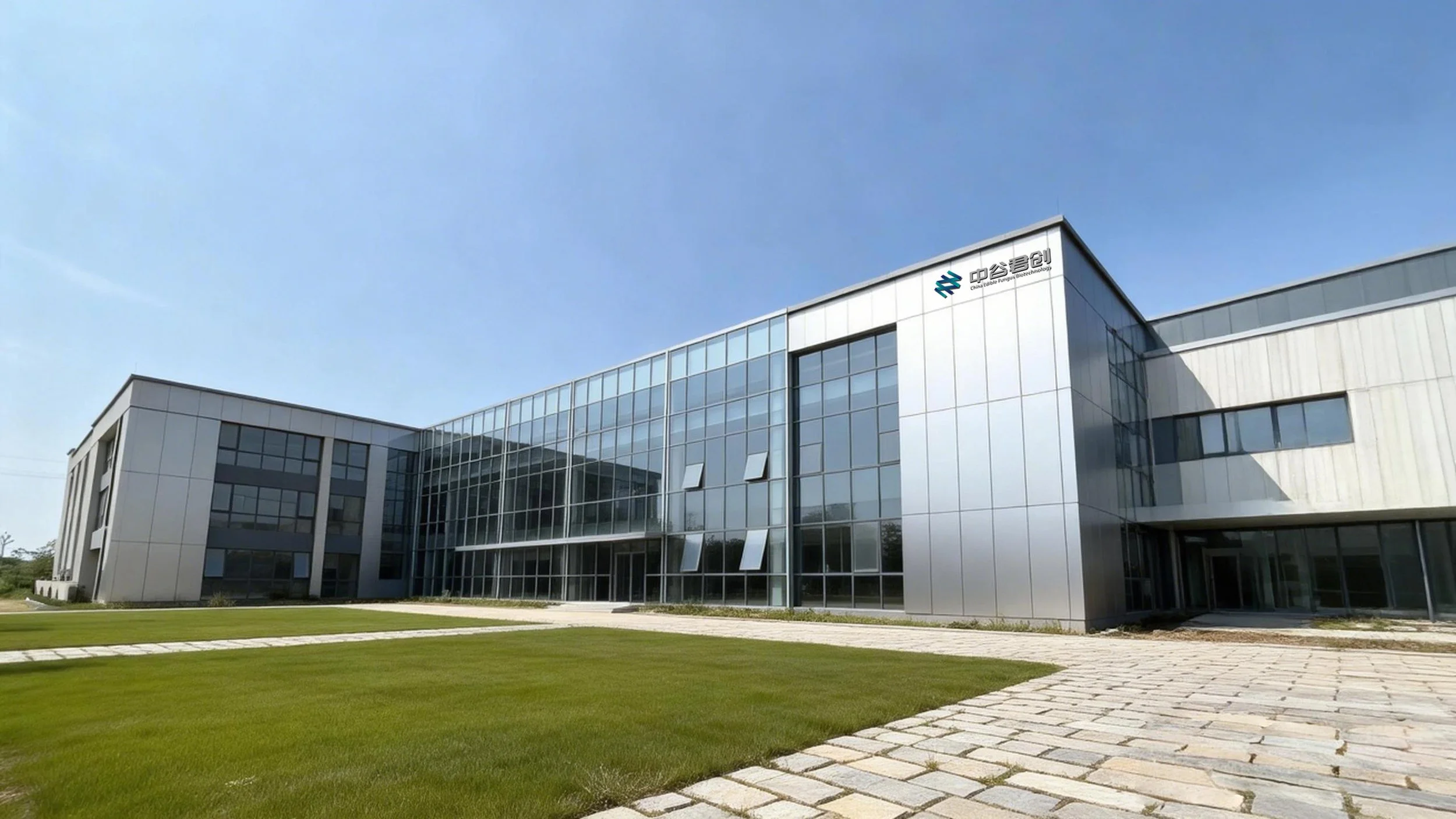
ZhongGu Junchuang
ZhongGu Junchuang
Dao Foods portfolio company, ZhongGu Junchuang, has sealed a deal with the Xinjin District Government in Chengdu to establish a mycelium R&D facility and production hub in Chengdu’s Tianfu intelligent manufacturing industrial zone in western China. The facility will scale the production of mycelium powders and concentrated purees for b2b customers and CPG products (fungi-based snacks and performance beverages) sold direct to consumers.
ZhongGu’s Mycelium Flour
ZhongGu Junchuang recently secured an annual contract to supply 1,000 tons of mycelium flour to a client in central China at around $5,000 per ton. To make the flour, cereal grains are directly fermented with fungal inoculants to improve their nutritional credentials and then milled into flour that can then be used to boost the nutritional profile of staples such as dumpling and buns.
ZhongGu’s Mycelium-Infused Coffee
Rather than growing mushroom fruiting bodies, ZhongGu Junchuang only grows mycelium, Founder Mr. Wenqi Shan said: “We believe that this approach offers clear benefits compared to fruiting bodies, including greater nutritional density, lower manufacturing costs, better scalability in production, and improved extraction of specific compounds.
We know what mushrooms are, but what is Mycelium?
Mushrooms, of course, are versatile ingredients in culinary practices around the world, used in a variety of ways due to their unique flavor and texture. They’re commonly featured in stir-fries, pasta sauces, and risottos, where they lend their earthy flavor and meaty texture to enhance the overall dish. Some can even be used as a meat substitute due to their hearty texture and rich, umami flavor.
However, mushrooms are only a small part of the picture. Beyond mushrooms, the Fungi Kingdom is comprised of a vast and diverse group of organisms. It includes everything from microscopic organisms such as yeast and molds, to the larger mushrooms that we are familiar with. In fact, it is estimated that there are between 2.2 to 3.8 million species of fungi, which is significantly more than the estimated 390,000 species of plants and around 1.2 million known species of animals. Fungi can be found everywhere, from the deepest oceans to the highest mountains, and in all kinds of climates, even extreme ones like deserts and the Arctic.
In recent years, a lot of attention has been paid to whether mycelium can play a role in a more sustainable food future for the world. Mycelium is the vegetative part of a fungus, which essentially serves as the root system of the organism. Found underground or within substrates, it decomposes organic matter, absorbs nutrients, and forms vast, symbiotic networks that connect plants and trees to share resources. It is the main body of the fungus, while mushrooms are just the reproductive, fruiting bodies. The texture of mycelium, especially when grown in solid form, can be very similar to that of meat, which makes it a promising candidate for plant-based meat alternatives.
Growing fungi requires far less land and water than raising livestock. Fermentation can occur in tanks stacked in a factory, using agricultural by-products as feedstock, so no farmland or deforestation is needed. Compared to beef, the carbon savings of mycelium protein are up to 90% lower GHG emissions per kg of protein, based on life-cycle analyses.
Several innovative companies are exploring the use of mycelium in the food industry. For instance, in the United States, Ecovative (MyForestFoods) is a company that is utilizing mycelium to create high protein, high fiber non-animal bacon through solid state fermentation.
Meanwhile, in Europe, Cargill invested an undisclosed sum into Glasgow-based alt protein startup ENOUGH as a “top up” to its recent series C round and signed commercial offtake agreements to use and market ENOUGH’s ‘ABUNDA’ mycoprotein.
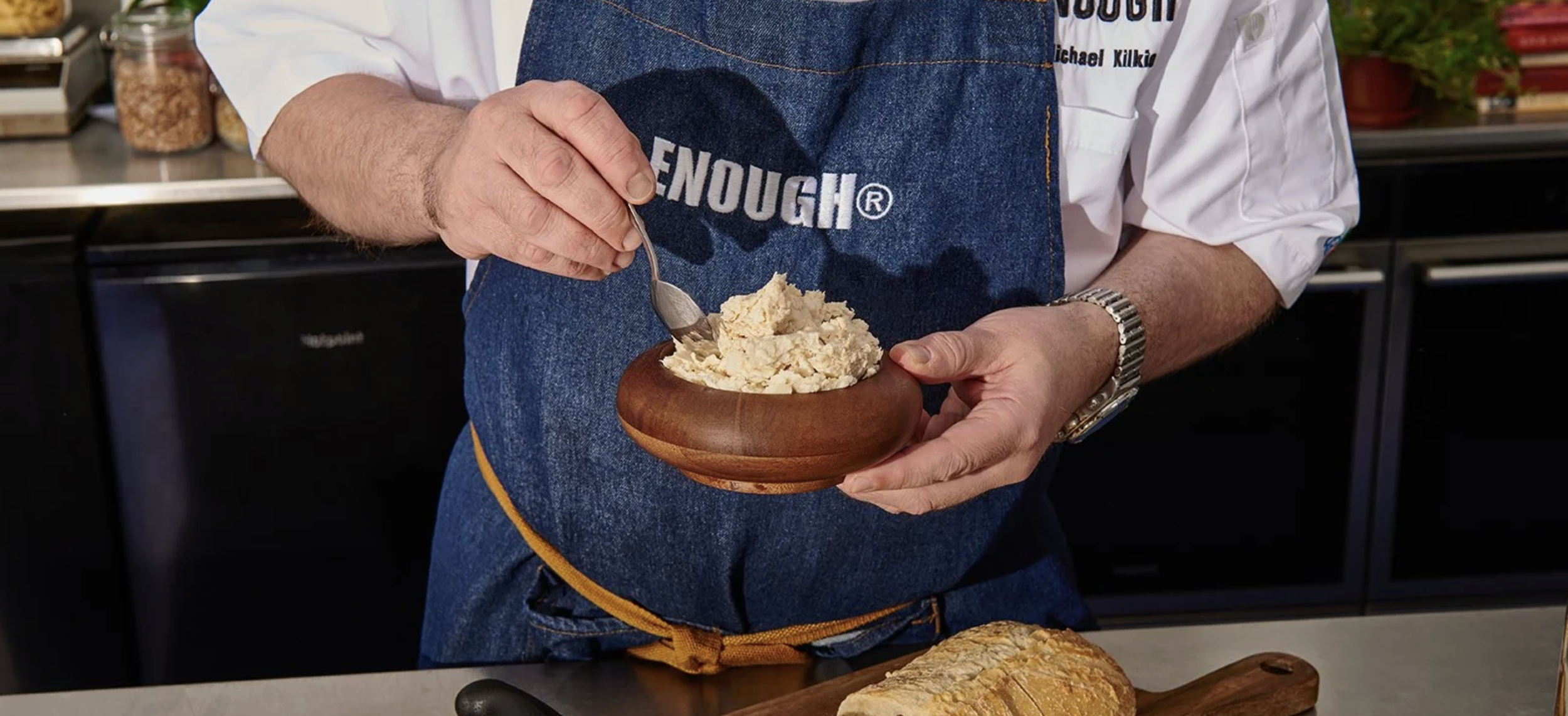
ENOUGH Food
The investment is on top of the US $43.6 million series C funds raised in 2023 and will give Cargill a minority single digit holding in the company. ENOUGH’s first-of-its-kind 160,000 square foot (15,000 square metre) production facility, built in 2022, is co-located alongside a Cargill facility in Sas van Gent, The Netherlands. Cargill provides ENOUGH with glucose syrup and utilities as well as partnering with ENOUGH in the EU-funded PLENITUDE consortium project. the factory will have an initial capacity of 10,000 tonnes per annum, expanding to 60,000 tonnes per annum within 5 years (Watch the video tour here).
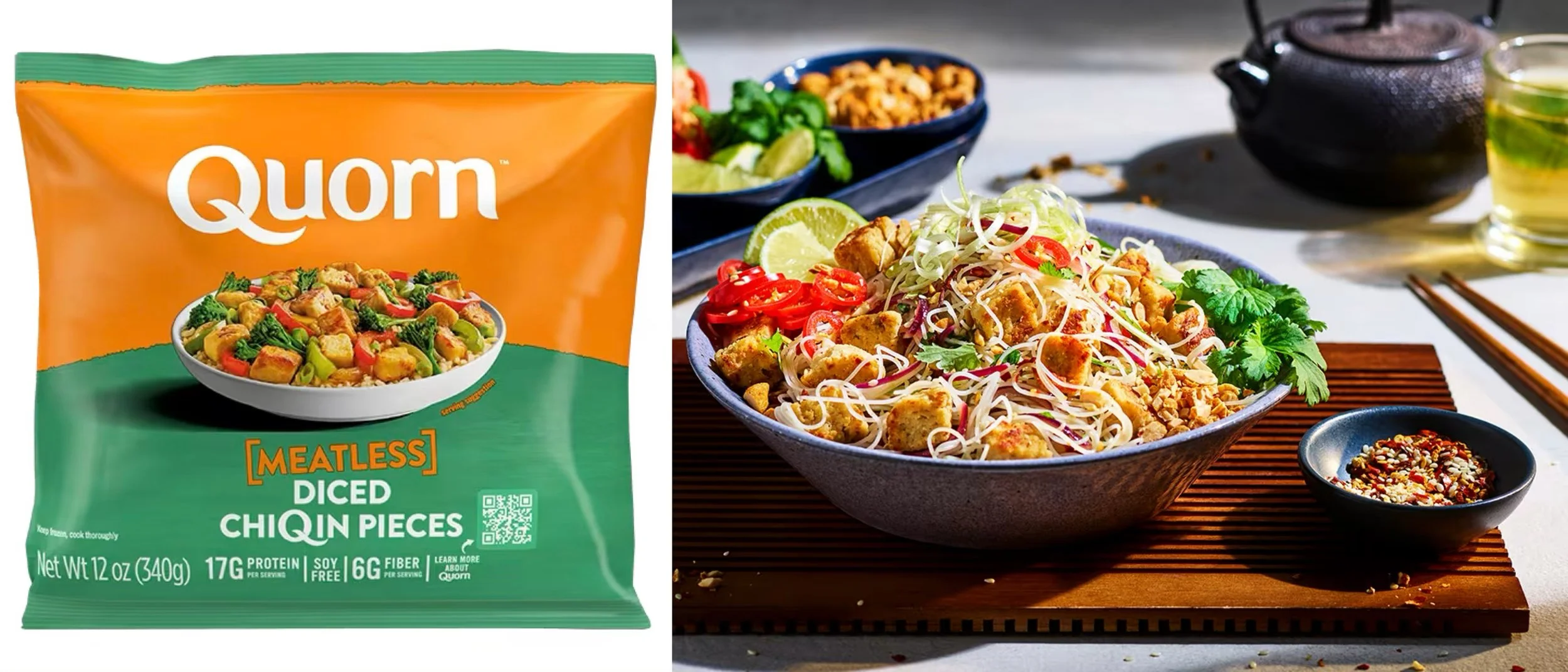
Quorn
Along with these two examples, there are many other companies in the US and Europe who are producing and launching products using mycelium (Quorn, Better Meat Co, etc)
Edible Fungi In China
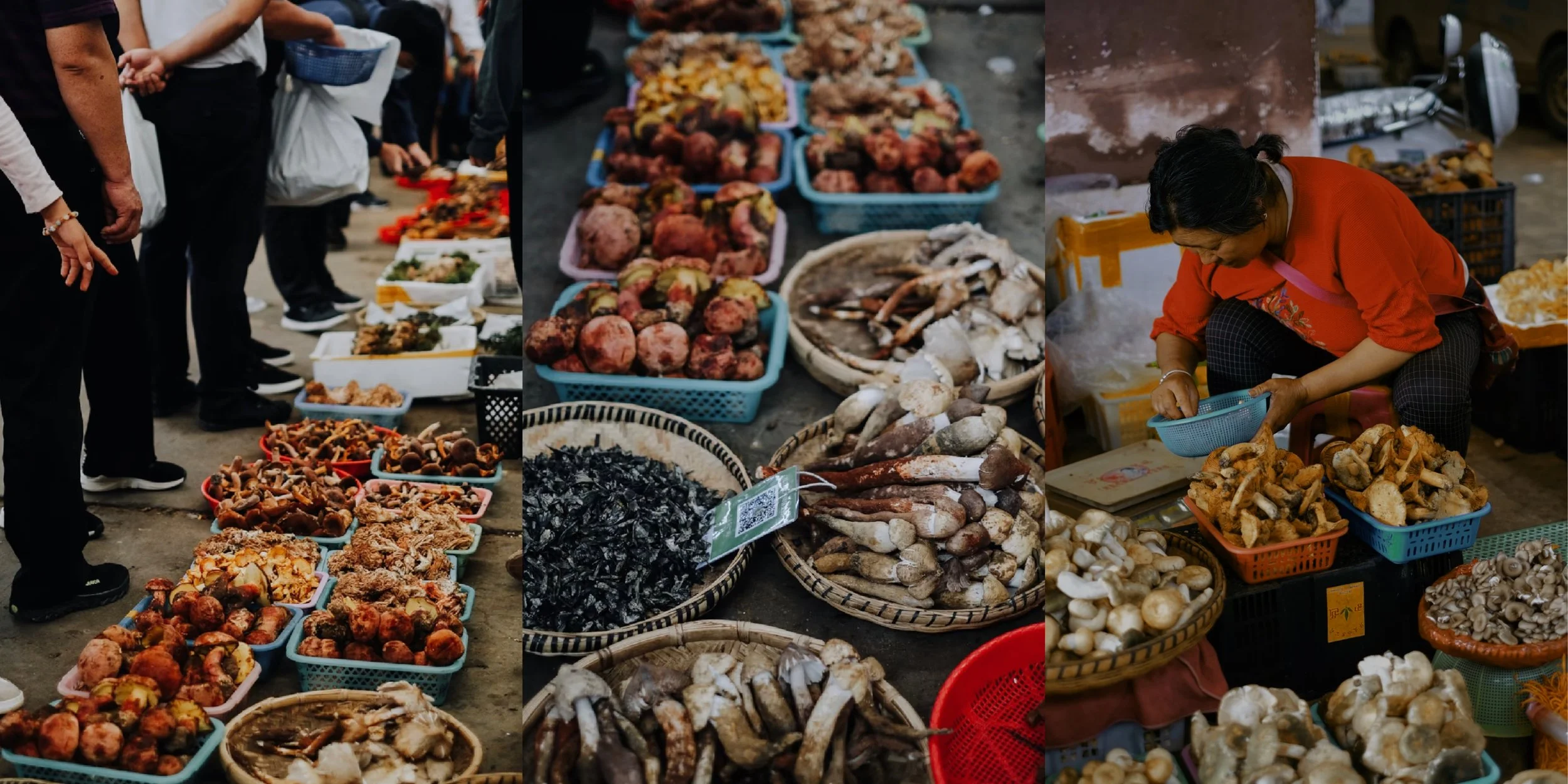
A 24-hour mushroom market in Kunming, Yunnan Province
In 2021, China’s edible fungi production accounted for more than 75% of the world’s total production. This is due to China’s diverse climate and vast biodiversity, which allows for the cultivation of a wide array of fungi species. With over 1,000 cultivated species, Chinese farmers cultivate and harvest many different types, including shiitake mushrooms, black fungus, oyster mushrooms, bisporus mushrooms, enoki mushrooms, king oyster mushrooms, and hair fungus.
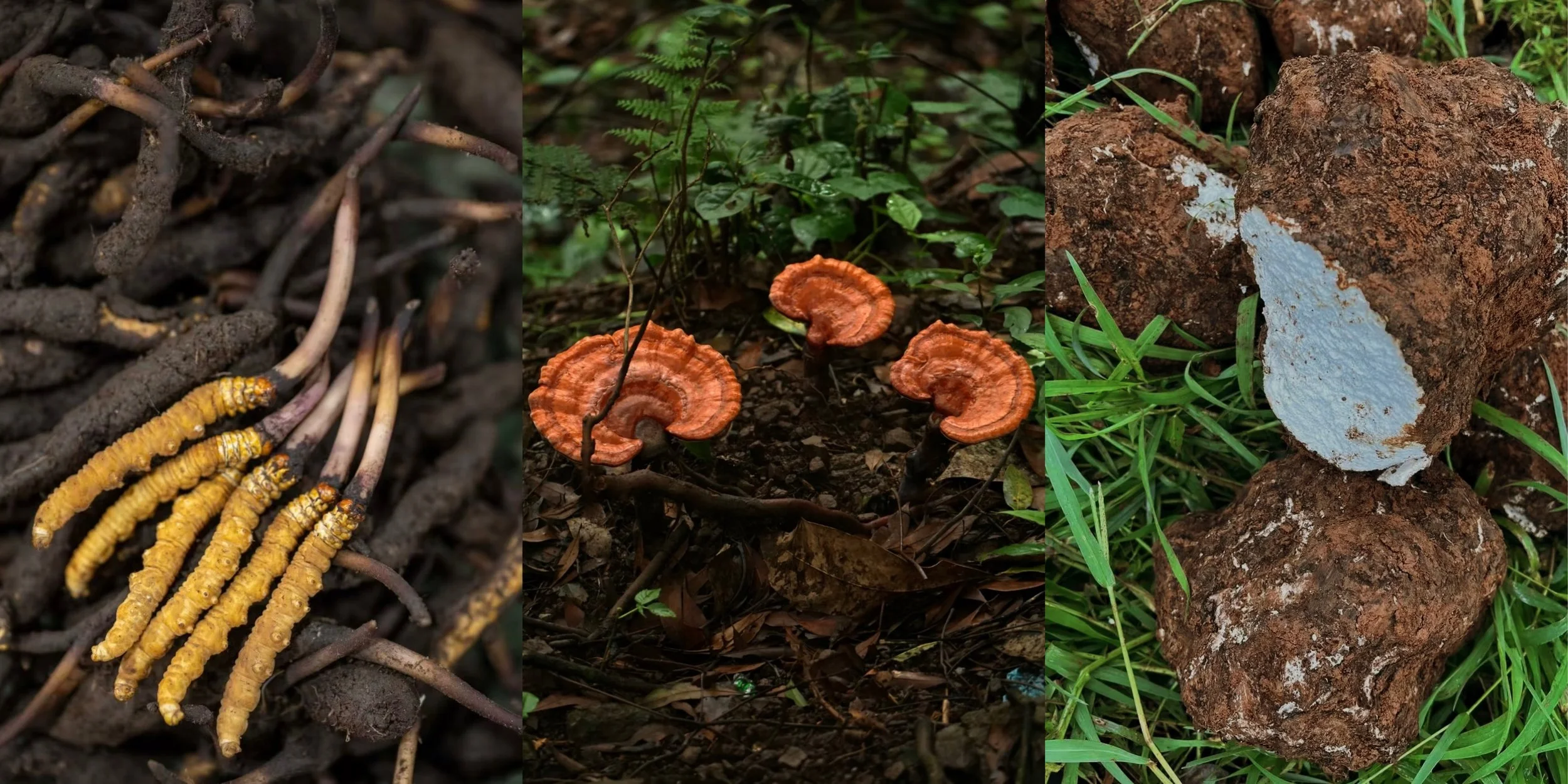
Fungi used in traditional Chinese medicine, from left to right: Cordyceps, Reishi and Poria cocos
Fungi are a staple of the Chinese diet, integrated into daily meals for their flavor and nutritional density (proteins, vitamins, and minerals). Fungi are also deeply rooted in Traditional Chinese Medicine (TCM) with the use of medicinal mushrooms dating back over 2,000 years. Fungi are categorized as powerful medicinal substances that restore balance to the body’s energy (Qi) and maintain vitality.
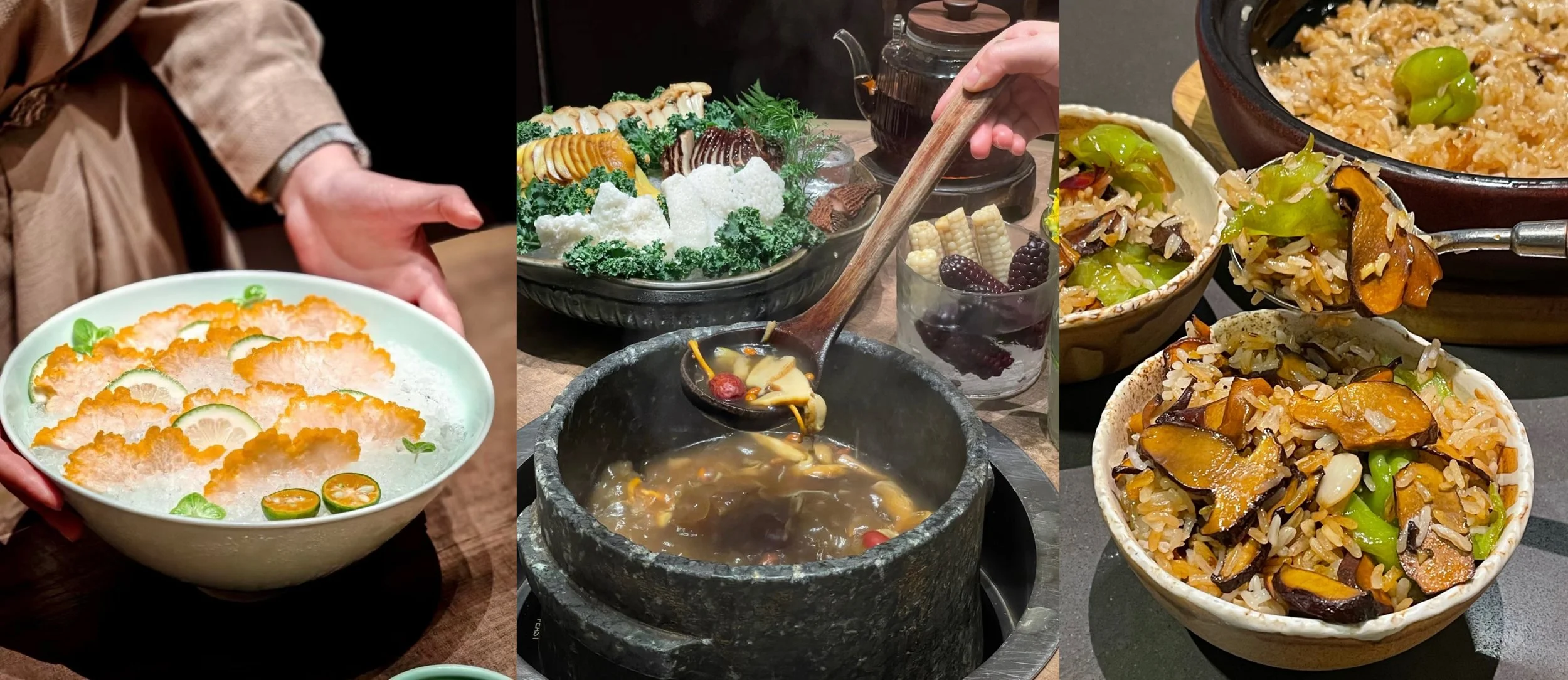
Mushrooms in Chinese cuisine: sashimi, soup, and fried rice
From 2010 to 2021, the total output of edible fungi increased from 22 million tons to 41 million tons, with total value increasing from US$ 19.6 billion to US$ 48.2 billion. Edible fungus production areas are spread throughout China’s provinces, from mountainous areas to plains with the top 3 provinces being Henan, Fujian, and Hebei. China’s factory-based production of edible fungi is also increasing. As of 2022, there were 358 companies with factory-based edible fungi production with a combined output of 3.2 million tons, representing about 8% of total production. The country’s long history and deep knowledge of fungi, combined with its significant cultivation capabilities, have positioned it at the forefront of the edible fungi industry.
Fungi Future Food Applications in China
Some Chinese companies are also at the forefront of fungi and mycelium in the future of food. They are leveraging the country’s long history and deep knowledge of fungi, combined with modern technology, to create products that are environmentally friendly and promote health and wellness.
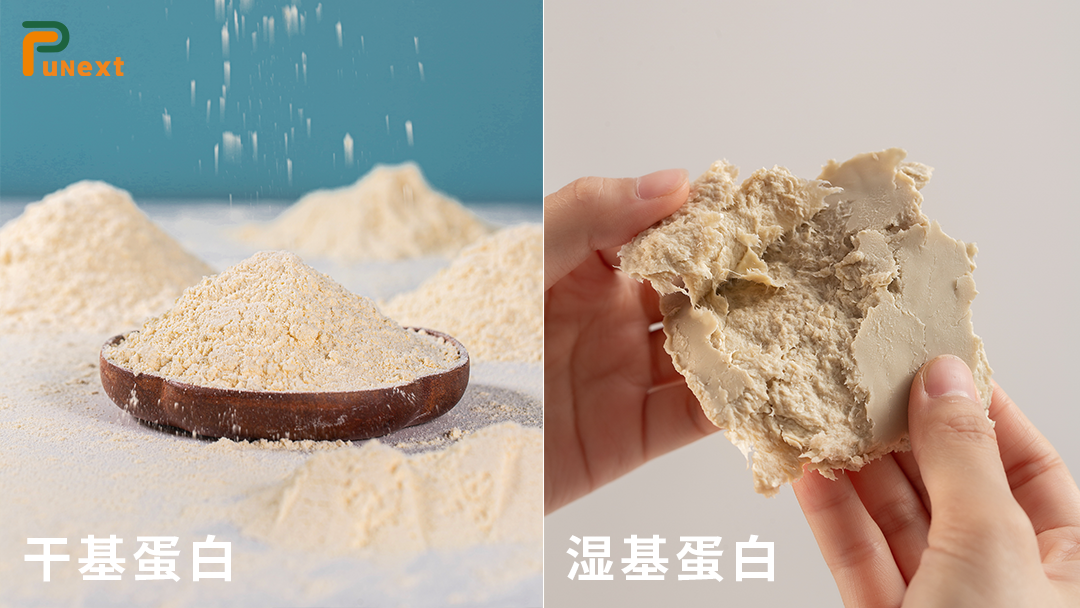
Fushine Bio‘s FuNext Fusarium Venenatum Protein
In November, China’s National Health Commission approved Fusarium venenatum protein as a new food ingredient following a formal safety review, clearing a key regulatory hurdle for commercialization. Fusarium venenatum protein is produced through fermentation of a filamentous fungus and belongs to the category of fungal derived proteins. The ingredient contains all 18 amino acids required by the human body and is rich in dietary fiber and minerals. Its functional properties and nutritional profile position it for broad application across plant based meat and dairy alternatives.
Fushine Bio, the Chinese biotechnology firm receiving the approval, operates Asia-Pacific’s largest mycoprotein production facility. The company’s FuNext ingredient derives from mycelium cultivated through biomass fermentation using glucose and water as primary substrates. Fushine Bio currently operates at 1,200 tonnes annual capacity but has commenced construction of an industrial-scale production line targeting 200,000 tonnes yearly output.
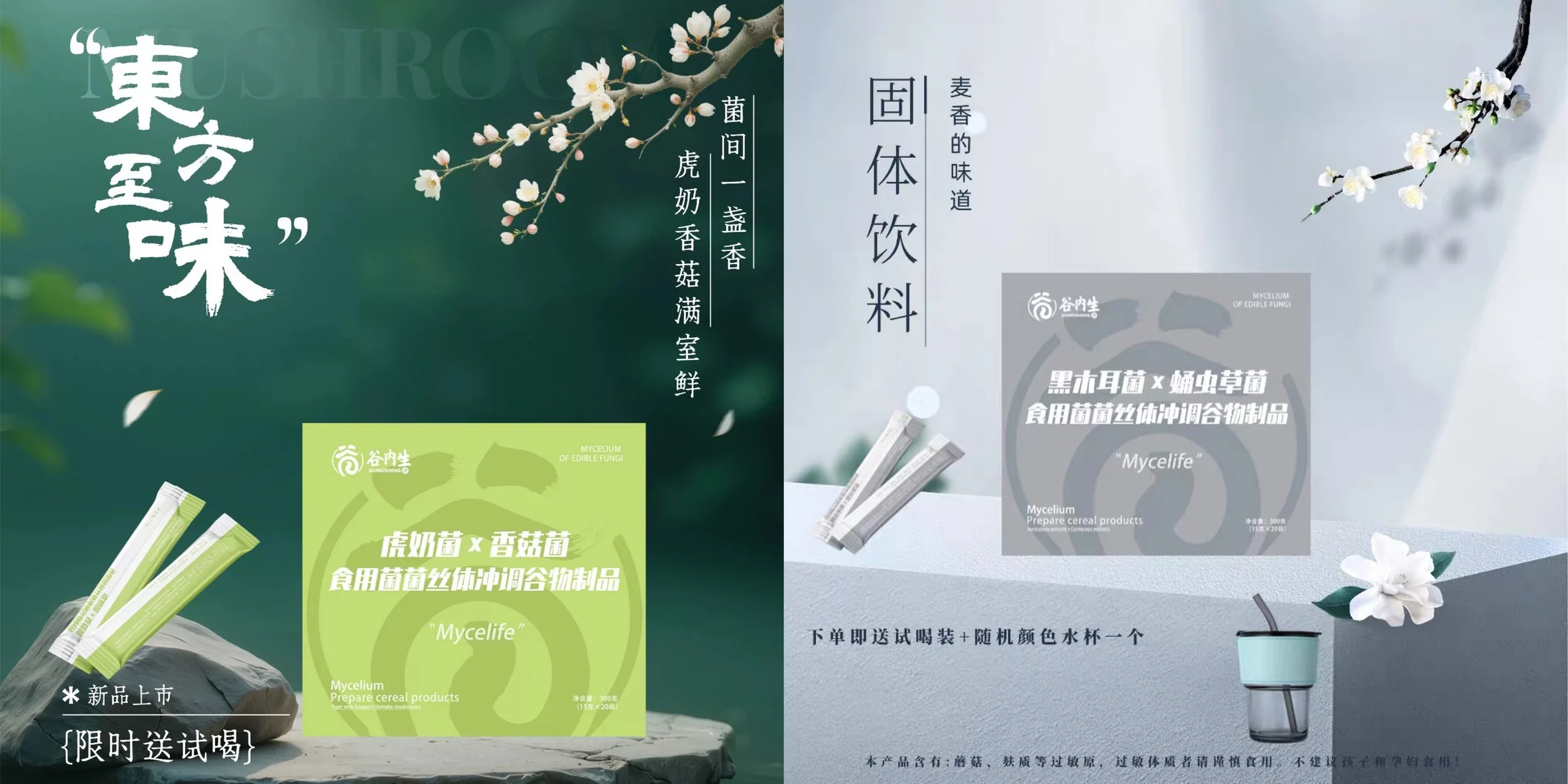
ZhongGu’s Mycelium-Based Protein Meal Replacement Drink
Dao Foods believes that companies like ZhongGu Junchuang and Fushine Bio are on to something. With China already being the world’s largest producer and consumer of a wide variety of species of edible fungi, there is a lot of experience and knowledge that can be leveraged to create even more future food applications that can be healthy for people and more sustainable for the planet. When these sustainable food products can successfully meet the preferences of consumers, the market opportunity will spread beyond China into many global markets. As always, Dao Foods believes that cross border collaborations will be essential and necessary to speed the transition to a more sustainable global food system.
